SIRC 2026: HDI Global makes discipline, not capital, the constraint in Asia
November 4 2026 by Roshan Nambiar
HDI Global is maintaining a long-term approach to underwriting Asian risk rather than reacting to individual market cycles, Alex Tarantino, managing director and principal officer at HDI Global SE Singapore, said.
The insurer is placing underwriting discipline at the centre of its Asian growth strategy, warning that capital is no longer the binding constraint.
“Asia continues to offer some of the most attractive growth opportunities globally, but success will depend on maintaining underwriting discipline, embracing innovation and building long-term partnerships that can navigate an increasingly complex risk landscape,” Tarantino said.
Tarantino also outlined HDI Global’s priorities for the year ahead.
“One key theme we’re seeing for upcoming renewals is that, if capital is no longer the constraint, underwriting discipline is,” he said.” Reinsurers are increasingly selective and rewarding underwriting quality, data transparency and sustainable primary market pricing.
“Looking ahead to the upcoming renewal, we continue to emphasise disciplined underwriting, supported by specialist expertise and strong risk engineering capabilities.”
The region is also becoming more complex, Tarantino added.
“Asia continues to be one of the most dynamic and attractive growth regions globally, but it is also becoming increasingly complex from a risk perspective,” he said.
“Natural catastrophe exposures remain a significant concern, particularly given the frequency and severity of secondary perils and evolving climate patterns. At the same time, geopolitical risks, supply chain disruption, energy transition challenges, cyber threats and increasing asset values are creating new concentrations of risk.”
“We are also seeing substantial investment across infrastructure, renewable energy, high technology manufacturing, digital assets and energy security projects throughout Asia.
“These sectors offer considerable opportunity but require increasingly specialised underwriting expertise and risk engineering capabilities.”
HDI’s appetite for Asia remains strong, with the region central to HDI Global’s long-term growth ambitions, according to Tarantino.
“We continue to see attractive opportunities across both mature and developing markets, and across energy, infrastructure, manufacturing, technology and multinational programmes,” he added.
“We are also seeing signs of increased competition in some primary market segments.”
He added that rate adequacy may become a concern for primary insurers and reinsurers.
“In energy, property and marine, we continue to support high-quality risks where underwriting information, pricing, risk management standards and portfolio performance justify our participation,” Tarantino said.
“That said, growth must be profitable and sustainable so that we can act reliably in the long term. We remain cautious where pricing does not adequately reflect underlying exposures or loss cost trends.
Growth priorities
Tarantino said that HDI’s strategy is centred on profitable growth, strengthening partnerships and expanding its relevance to clients across Asia.
“Southeast Asia remains a key focus. Markets such as Indonesia, Thailand and Malaysia offer significant long-term potential, supported by economic growth, industrialisation, infrastructure investment and increasing demand for sophisticated risk transfer solutions,” he said.
From a business-line perspective, HDI sees opportunities across energy, including conventional power, renewables and upstream.
Marine, property and engineering, financial lines and cyber, multinational solutions, alternative risk transfer, and captive solutions also present opportunities, with HDI eyeing opportunities to bring more of its specialty capabilities across Asia.
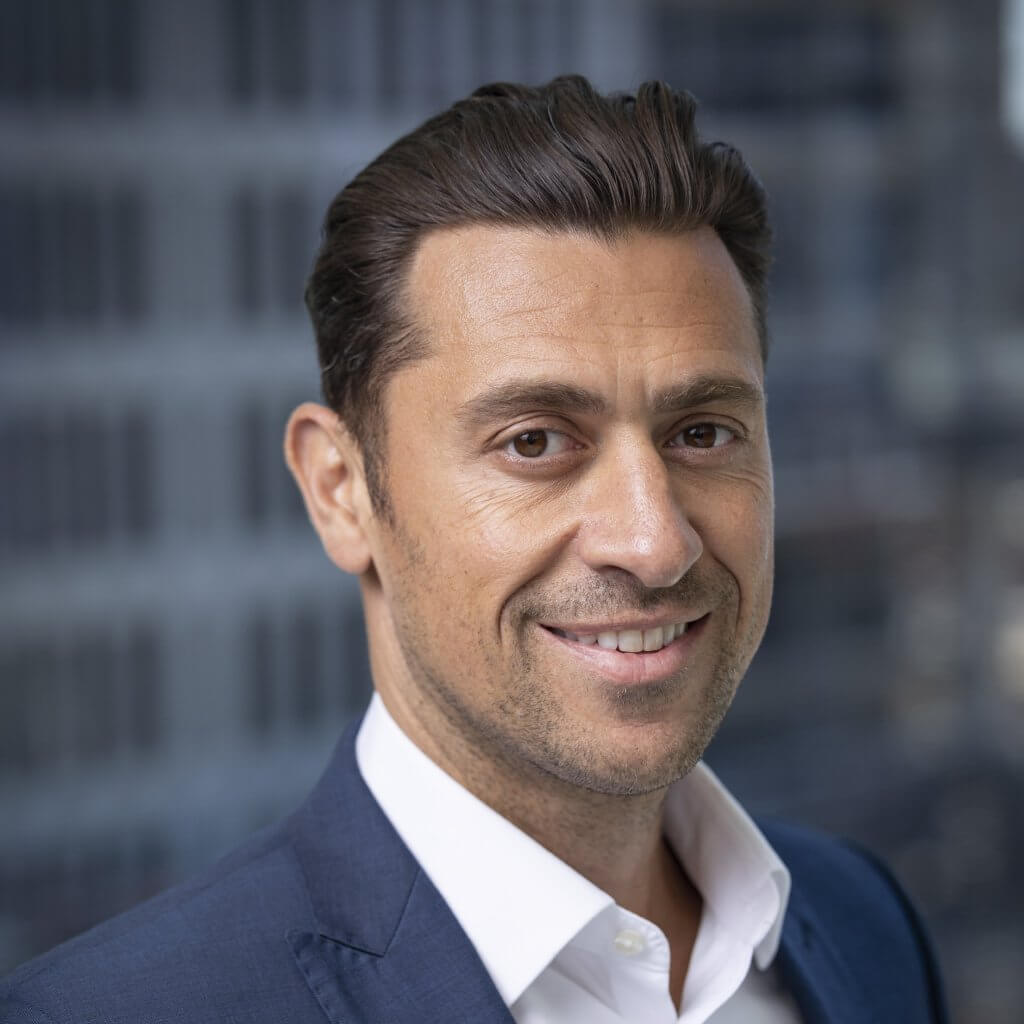
“Urbanisation, infrastructure development, interconnected supply chains and emerging technologies can all create accumulations that are not always immediately visible. As a result, risk profiles are evolving faster than ever.”
Alex Tarantino, HDI Global
The key challenge, Tarantino said, is managing growing exposure concentrations and keeping pace with rapidly changing risks in an increasingly competitive market.
“Urbanisation, infrastructure development, interconnected supply chains and emerging technologies can all create accumulations that are not always immediately visible. As a result, risk profiles are evolving faster than ever.”
He also advised cedents on the importance of high-quality data and relationships.
“For cedents, high-quality data, strong portfolio analytics and early, transparent dialogue with risk carriers become increasingly important.
Long-term relationships help all parties develop a shared understanding of exposures and manage volatility sustainably.”
“The strongest relationships are built over multiple market cycles, where both sides share information, understand exposures and work together to manage volatility, rather than focusing only on the conditions of the next renewal.”
-
BlackRock | Rethink the rules: how TAA and ETFs are reshaping portfolio construction
BlackRock's Daniel Caderas and MSCI's Raman Aylur Subramanian explain why tactical asset allocation (TAA) and exchange-traded funds (ETF) have become essential as global markets fragment and static allocations lose their reliability.
-
BlackRock | Infrastructure comes of age for insurers
Are insurers capturing full value from the asset class? BlackRock shares its perspective.
-
Beazley | Navigating geopolitical risks at sea
Maritime shipping faces growing geopolitical threats — missiles, drones, GPS interference, and cyber sabotage — requiring better intelligence, crew welfare, and resilience measures.
-
Zurich | Why resilience will define the winners of Asia’s clean energy transition
Planning for future conditions from the outset can improve operational reliability, reduce potential disruption and protect long-term asset value.