

Zurich | Why resilience will define the winners of Asia’s clean energy transition
October 9 2026
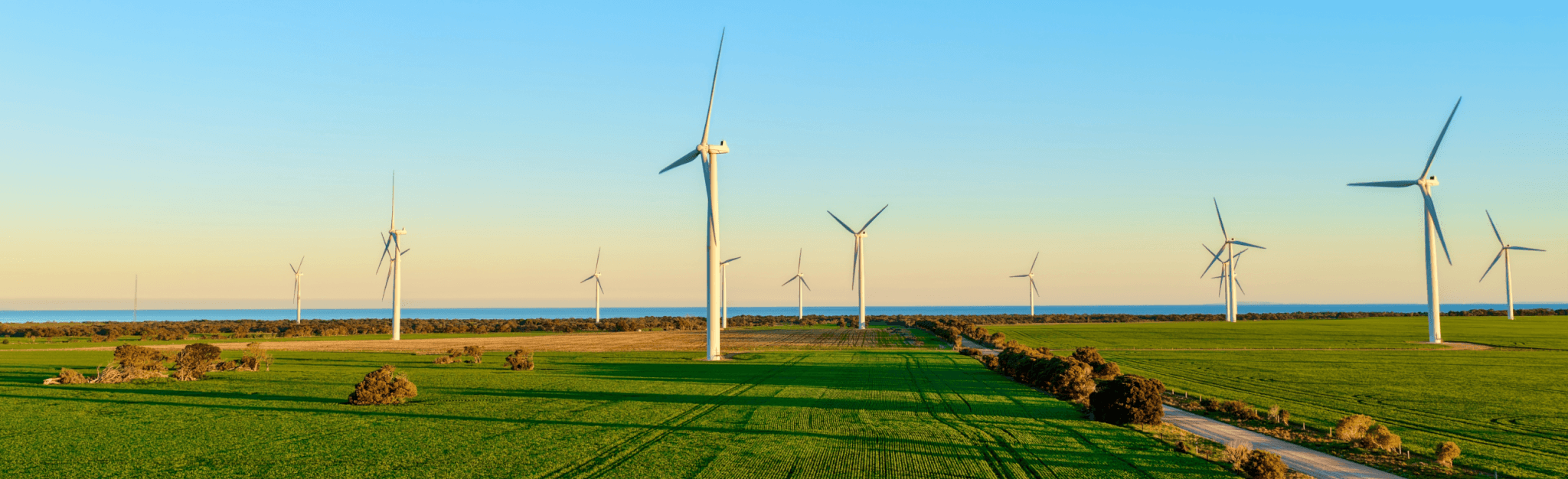
Amid the hottest year on record and a major El Nino-Southern Oscillation (ENSO) event, Asia is undergoing a significant transition to clean energy. With more cost-competitive renewable technologies, Asia accounted for 74.2% of global renewable energy capacity additions in 2025. The resilience of this infrastructure has become critical to the region’s energy security, economic growth and competitiveness.
These investments are being made in a changing risk environment. In a series of analyses published this year, we examined how climate risk could affect renewable energy infrastructure across South and Southeast Asia.
Historical weather patterns may not fully reflect the conditions these assets will face over their operating lifetimes. Drawing on proprietary climate-risk data, our analysis found that climate-intensified extreme weather could place much of the region’s planned renewable energy infrastructure at risk, with more than three-quarters of the sites assessed at high or critical risk.
This exposure also presents an opportunity. Resilience measures can protect far more than an individual solar panel or wind turbine. Clean energy infrastructure sits at the centre of Asia’s economic transformation, supporting energy security, businesses, supply chains and communities.
As countries seek to attract investment and strengthen their long-term competitiveness, the reliability of this infrastructure will become increasingly important. Building resilience into energy systems from the outset can help reduce disruption, protect investment, and prepare the region for the uncertainties ahead.
The regional challenge
Our analyses examined how climate change could affect more than 2,250 planned and prospective renewable energy sites across South and Southeast Asia. Using open-source data from Global Energy Monitor, we assessed solar, wind, geothermal and hydropower projects in Brunei, Cambodia, India, Laos, Malaysia, Myanmar, the Philippines, Singapore, Thailand and Vietnam. We then examined how different climate scenarios and weather hazards could affect each location over time.
The findings point to significant exposure. By 2030, multiple extreme weather events could severely affect 75% of renewable energy sites assessed in Southeast Asia, and 66% of sites in South Asia. Together, these sites represent approximately USD 220 billion in renewable energy assets that could be exposed to damage and disruption if appropriate resilience measures are not implemented.
A systemic story
The effects of extreme weather on clean energy infrastructure are not uniform. Different hazards affect different technologies in different ways. Tropical cyclones can damage wind turbines, blades and supporting infrastructure. Dust generated by prolonged drought can reduce the efficiency of solar farms. Extreme winds and hail can damage panels, while hydropower systems must continue producing reliable power as operators manage conditions ranging from low flows and drought to high and extreme flows.
However, our analyses suggest that some of the most significant vulnerabilities lie beyond the generation assets themselves. Climate hazards can cause the greatest disruption by damaging the infrastructure surrounding power generation. Substations in low-lying areas can be vulnerable to flooding. Transmission lines may be brought down by tropical cyclones or severe storms. Access roads can be blocked by fallen trees, landslides or floodwaters, delaying inspections and repairs after an event.
A wind turbine or solar installation may remain operational, but its value is limited if electricity cannot be transmitted or repair teams cannot reach the site. The resilience of the wider energy system is therefore just as important as the resilience of the generating asset itself.
Resilience, not reaction
Preparing clean energy infrastructure for the future requires a whole-of-system perspective. This creates an opportunity to establish physical protections, appropriate construction standards and contingency plans that support not only an individual generation site, but also the businesses, communities and critical services that depend on it.
This work should start during the earliest stages of a project. Understanding how each asset fits within the wider energy system allow developers to identify vulnerabilities and direct investment towards the areas where resilience measures could have the greatest effect.
Planning for future conditions from the outset can improve operational reliability, reduce potential disruption and protect long-term asset value. It can also make projects more attractive to investors and financiers by demonstrating that material risks have been identified and addressed.
Importantly, building resilience does not always require complex or costly interventions. Many of the solutions are already available. They include waterproofing equipment, strengthening foundations, maintaining effective drainage and adapting the design or positioning of solar installations.
We found that investing approximately 2% of project value in resilience measures could help avoid more than US$100 billion in future infrastructure losses across the assets assessed.
This highlights the potential financial case for early action. Comparing the cost of resilience measures with the losses they could help avoid allows developers, investors and insurers to make more informed decisions. Demonstrating that climate risks have been identified and addressed can also strengthen investor confidence and support the long-term bankability of projects.
Every major climate-related event demonstrates how interconnected modern economies have become. Measures that help a wind farm continue generating and transmitting power after a tropical cyclone can also help maintain electricity supplies for businesses, critical services and communities. The benefits of resilience therefore extend beyond the asset itself, supporting more reliable energy systems, more resilient economies and the long-term competitiveness of the industries and communities that depend on them.
[1] Zurich Resilience Solutions. Powering Up: Designing Climate Resilience into India’s Renewable Energy Future. June 2026.
[2] Zurich Resilience Solutions. Powering Through: Building Climate Resilience into Southeast Asia’s Renewable Energy Future. June 2026.
[3] https://aseanenergy.org/publications/asean-plan-of-action-for-energy-cooperation-apaec-2026-2030
 |
Mark Fletcher Head of Zurich Resilience Solutions, Asia Pacific Zurich Insurance |
-
Zurich | Why resilience will define the winners of Asia’s clean energy transition
Planning for future conditions from the outset can improve operational reliability, reduce potential disruption and protect long-term asset value.
-
Sedgwick | Captives in Asia: From Niche Solution to Strategic Risk Platform
Captive insurance has evolved from niche tool to strategic risk infrastructure in Asia, with connected claims data seen as key to unlocking its full value.
-
BlackRock | Rethink the rules: how TAA and ETFs are reshaping portfolio construction
BlackRock's Daniel Caderas and MSCI's Raman Aylur Subramanian explain why tactical asset allocation (TAA) and exchange-traded funds (ETF) have become essential as global markets fragment and static allocations lose their reliability.
-
BlackRock | Infrastructure comes of age for insurers
Are insurers capturing full value from the asset class? BlackRock shares its perspective.