SIRC 2026: Hanoi Re pursues selective risk growth amid regional market softening
November 4 2026 by Joana Nguyen
Vietnamese reinsurer Hanoi Re is prioritising a broadening, but selective, risk appetite amid the current soft market, CEO Trinh Anh Tuan said.
“We intend to support our clients through this cycle and can be flexible in the share we take and the structures we support. That flexibility has technical limits,” Trinh said.
“We are prepared to compete for business, but not at any price, and where terms no longer support a sound underwriting decision, we will step back.”
While open to new markets, the reinsurer prioritises well-managed clients with familiar risks and underwriting.
“We are open to insurance needs arising from technology, AI and electric vehicles, and we are interested in parametric solutions,” he added.
“In each case, our participation depends on how clearly we can see the exposure, the coverage and how the risk will be managed.”
Rate adequacy is a real concern, and proportional treaties are where it bites first, according to Trinh.
“A cut in the cedent’s rate is a cut in ours, often accompanied by a request for higher commission. So we look beyond the treaty terms to the original rates, deductibles, coverage, loss trends and accumulations underneath them,” he said.
He expects the softening seen at this year’s Asian renewals to continue into 2027, giving cedents in Vietnam, as elsewhere in the region, more choices.
He also observed that wordings have broadly held up better than pricing so far this year, which is healthy.
“Concessions on wordings are harder to see than concessions on price, and they tend to surface only when a loss arrives. Where we participate, we read the wording as closely as the price,” Trinh said.
Vietnam’s risk landscape
Rapid economic growth magnifies nat cat risks in Vietnam, highlighted by Typhoon Yagi in 2024, which caused extensive damage across major industrial areas in northern provinces.
“One storm does not make a trend, but as more valuable assets are concentrated in the same industrial parks, ports and logistics corridors, the same event produces a much larger loss,” he said.
Much of that loss is not physical, Trinh said, as business interruption and supply-chain dependencies can extend a claim well beyond the damaged site, making exposure accumulation as critical to assess as single risks.
Data centres and battery energy storage systems add a different kind of complexity due to concentration of high-value equipment, he said.
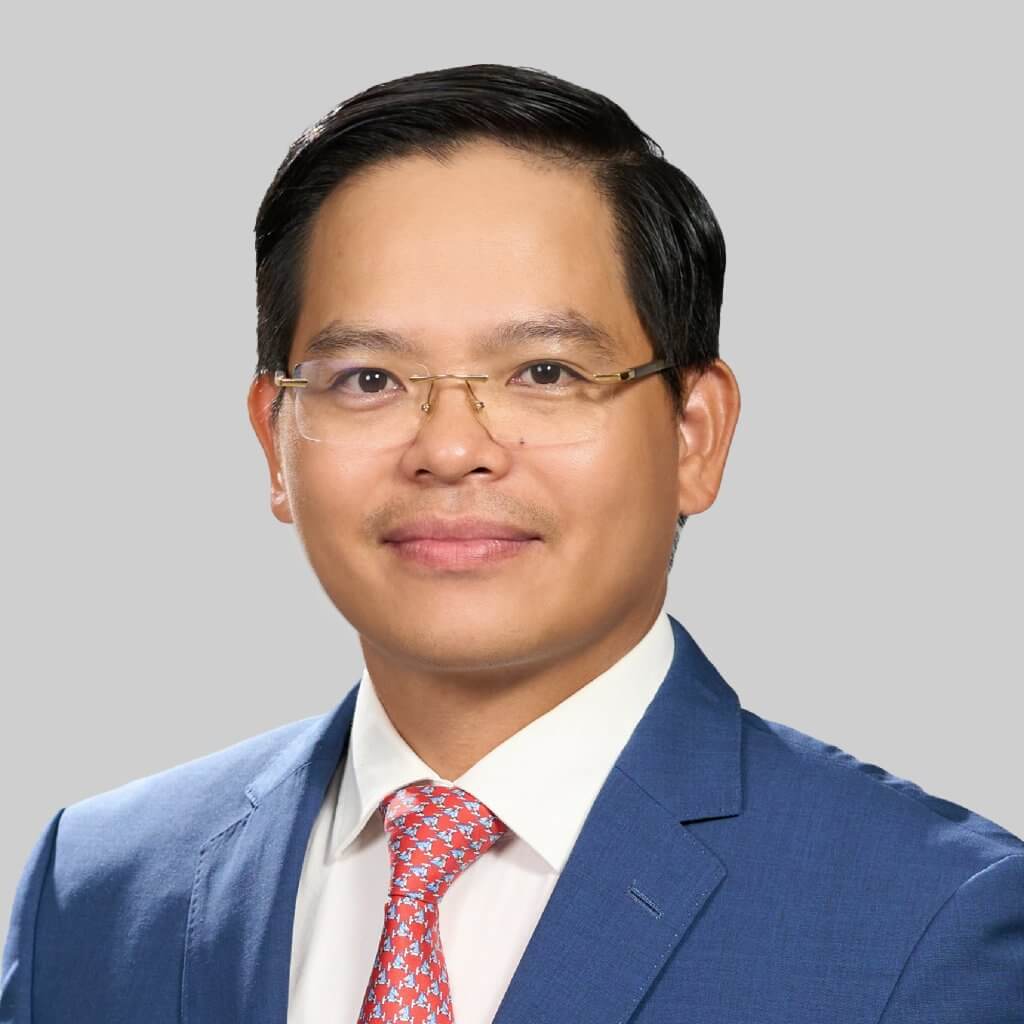
“My main concern is that competition is moving faster than risk understanding. In Vietnam, asset values have risen quickly with industrial growth, but sums insured and exposure data do not always keep pace.”
Trinh Anh Tuan, Hanoi Re
Meanwhile, AI presents a dual threat, empowering insurer pricing and cyber attackers, he added.
“My main concern is that competition is moving faster than risk understanding. In Vietnam, asset values have risen quickly with industrial growth, but sums insured and exposure data do not always keep pace,” Trinh said.
“Combined with falling rates, that can leave the market underpricing exactly the accumulations that Yagi exposed. Across Asia, the same pressure can push decisions towards short-term premium growth or cost savings.”
He advised cedents to leverage the current market conditions to enhance exposure data, update asset values, and refine risk retention.
Cedents should also focus on partners with not only financial strength and credit ratings but also a track record of honouring their commitments.
“The real test of a reinsurance relationship comes when a claim is made, not when a renewal is signed,” Trinh said.
Growth plan
Vietnam and Southeast Asia will remain the core of Hanoi Re’s business over the next 12 months, with China and South Korea continuing as important drivers of growth beyond the home region, the CEO said.
“Vietnam is where our market knowledge is deepest, and industrial, infrastructure and energy investment continues to create demand for reinsurance capacity and technical support,” he said.
“In China and Korea, we have worked with cedents and brokers for many years; our priority now is to deepen and broaden that cooperation where our knowledge of the business supports it.”
Treaty reinsurance is Hanoi Re’s clear priority, while in facultative, it focuses on engineering and property, where it has deep expertise.
“Agriculture is an area we are particularly keen to develop further. It matters greatly to Vietnam’s economy, and well-designed reinsurance can help that market grow,” Trinh added.
-
BlackRock | Rethink the rules: how TAA and ETFs are reshaping portfolio construction
BlackRock's Daniel Caderas and MSCI's Raman Aylur Subramanian explain why tactical asset allocation (TAA) and exchange-traded funds (ETF) have become essential as global markets fragment and static allocations lose their reliability.
-
BlackRock | Infrastructure comes of age for insurers
Are insurers capturing full value from the asset class? BlackRock shares its perspective.
-
Beazley | Navigating geopolitical risks at sea
Maritime shipping faces growing geopolitical threats — missiles, drones, GPS interference, and cyber sabotage — requiring better intelligence, crew welfare, and resilience measures.
-
Zurich | Why resilience will define the winners of Asia’s clean energy transition
Planning for future conditions from the outset can improve operational reliability, reduce potential disruption and protect long-term asset value.