
Australia’s P&C players face climate trap
April 13 2021 by Andrew Tjaardstra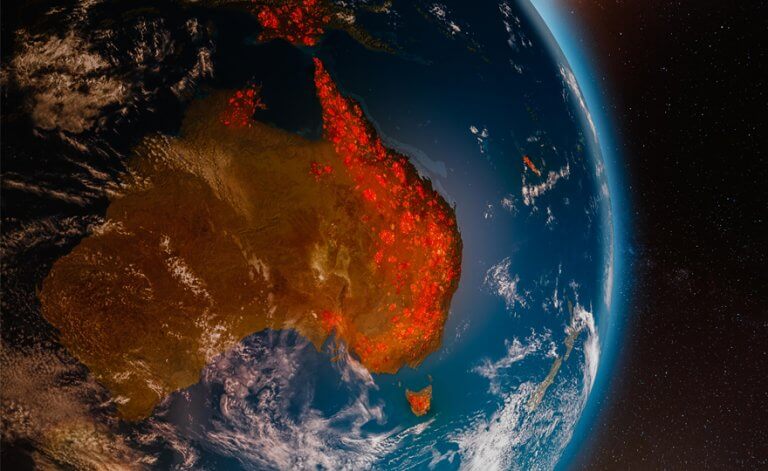
-
Taiwan shuts down as Typhoon Champi skirts eastern coast
- October 23
It is the 30th typhoon in the Pacific this year as El Nino's impact continues to be felt across the region.
-
Taiwan shuts down as Typhoon Champi skirts eastern coast
- October 23
It is the 30th typhoon in the Pacific this year as El Nino's impact continues to be felt across the region.
-
Global insured cat losses hit US$92bn to Q3, lowest since 2019: Gallagher Re
- October 21
Japan's July Kumamoto earthquake was the costliest event in APAC with US$1.3bn insured and US$8bn in economic losses.
-
‘We can’t keep rebuilding after every disaster’: insurers demand climate action from next New Zealand government
- October 21
Prime Minister Christopher Luxon and Labour leader Chris Hipkins took part in a debate on Tuesday's ahead of next month's general election.
-
Beazley | Navigating geopolitical risks at sea
Maritime shipping faces growing geopolitical threats—missiles, drones, GPS interference, and cyber sabotage—requiring better intelligence, crew welfare, and resilience measures.
-
Zurich | Why resilience will define the winners of Asia’s clean energy transition
Planning for future conditions from the outset can improve operational reliability, reduce potential disruption and protect long-term asset value.
-
Sedgwick | Captives in Asia: From Niche Solution to Strategic Risk Platform
Captive insurance has evolved from niche tool to strategic risk infrastructure in Asia, with connected claims data seen as key to unlocking its full value.
-
BlackRock | Rethink the rules: how TAA and ETFs are reshaping portfolio construction
BlackRock's Daniel Caderas and MSCI's Raman Aylur Subramanian explain why tactical asset allocation (TAA) and exchange-traded funds (ETF) have become essential as global markets fragment and static allocations lose their reliability.