SIRC 2026: India’s reinsurance boom risks triggering pricing pressure, Moody’s Alok Kumar warns
November 4 2026 by Marcus Alcock
An influx of domestic and international reinsurance capacity into India could put significant downward pressure on pricing over the next few years, despite the country’s exceptional long-term growth prospects, according to Alok Kumar, managing director and head of Global Analytical Services at Moody’s.
Kumar said that the rapid expansion of India’s reinsurance market, particularly through the recently established Gujarat International Finance Tec-City (Gift City), which has attracted a swathe of international reinsurers since inception, is to be welcomed, although it also creates potentially challenging competitive conditions.
Setting the change in context, he said that India’s reinsurance landscape has changed dramatically in the space of a few years from a market historically dominated by state-owned GIC Re and a handful of international reinsurers operating through local branches.
Now, new domestic entrants, including Valueattics Re and Allianz Jio Reinsurance, alongside growing international participation in Gift City, have substantially expanded available capacity.
“I fear that we will see a period of time when capacity will be in abundance and reinsurance rates will be challenged,” Kumar added, particularly regarding reinsurers establishing operations in Gift City.
“If you’ve decided to make a presence [in Gift City], you are not going to sit there and do nothing. You will be under pressure to write the business.”
Nevertheless, Kumar remains extremely optimistic about India’s underlying insurance growth prospects.
With economic growth forecast to remain above 6%, expanding infrastructure investment, manufacturing activity and rising wealth should all drive increasing demand for cover, with substantial protection gaps remaining across life, health and general insurance.
The liberalisation of foreign ownership rules should also encourage international insurers to increase their investments, bringing greater product innovation and global underwriting expertise, he added.
Kumar identified the increasing frequency of natural catastrophe losses, particularly flooding, as an important challenge for India’s insurance industry.
He said recent flood losses, including in Gujarat, had heightened insurers’ awareness of shortcomings in existing risk assessment and pricing practices.
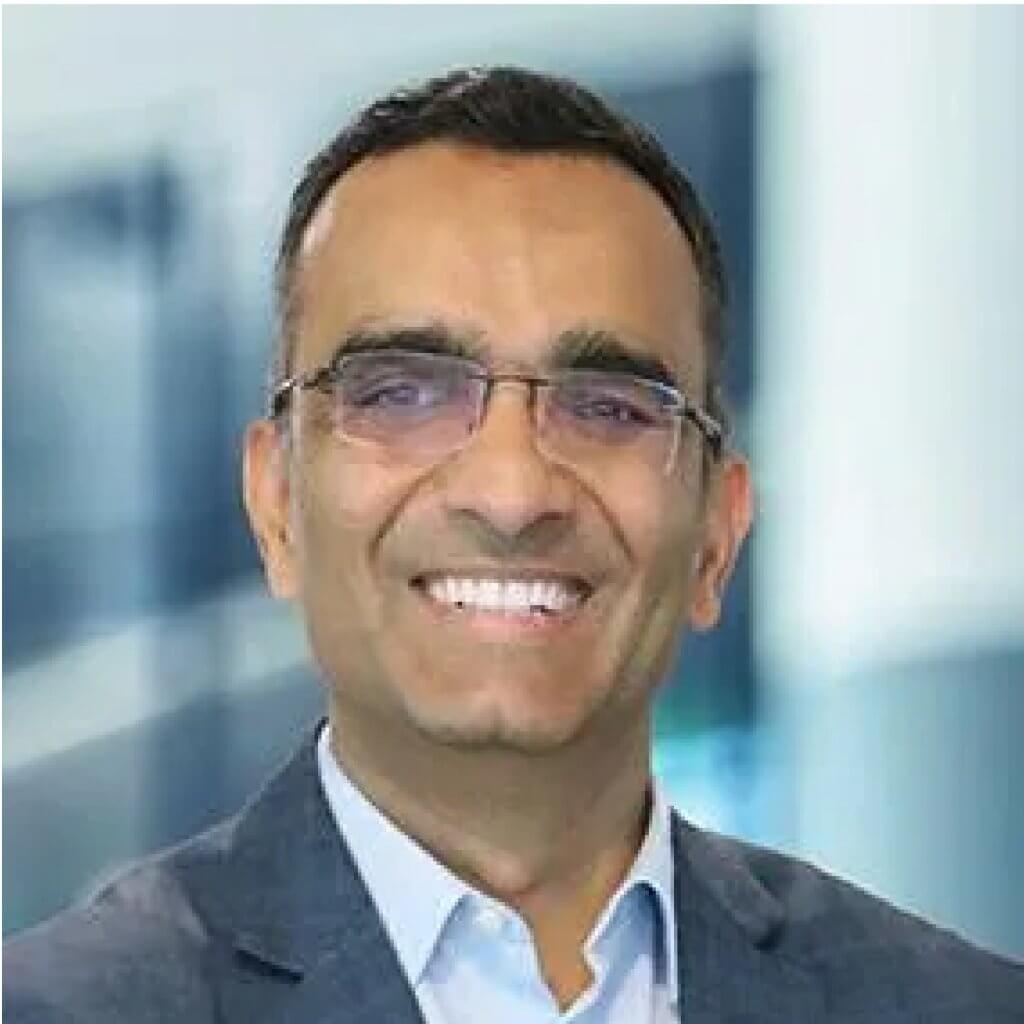
“When a flood happens in one part of the country, almost every single insurance company gets impacted.”
Alok Kumar, Moody's
Traditionally, Indian insurers have calibrated their catastrophe reinsurance purchases primarily against a one-in-250-year earthquake event, yet increasingly frequent flood losses are exposing weaknesses in the approach, he suggested, with catastrophe modelling set to play an important role.
“When a flood happens in one part of the country, almost every single insurance company gets impacted,” he said, reflecting insurers’ geographically diversified portfolios.
Consequently, he said, insurers are increasingly seeking sophisticated location intelligence and probabilistic flood modelling to assess individual exposures and improve pricing.
Kumar said Moody’s is experiencing growing demand for its flood modelling capabilities as insurers recognise potential discrepancies between actual exposures and premiums charged.
He also highlighted the consequences of decades of rapid urban development without sufficient consideration of flood risk, with construction on former lake beds and river floodplains, combined with inadequate zoning restrictions, having significantly increased vulnerability.
“There’s a lot of built-up construction that has come in over lake beds, over the floodplains of the major rivers,” he said.
Catastrophe exposures
More fundamentally, he said he believes India’s insurance industry is undergoing an important transformation in its approach to catastrophe modelling.
A decade ago, primary insurers frequently regarded catastrophe exposure as principally their reinsurers’ responsibility, he added, while today, insurers increasingly recognise the importance of incorporating catastrophe models directly into underwriting and pricing decisions.
“Companies are saying ‘I need your help to quantify the risk at the point of underwriting and incorporate that into our underwriting decisions’,” he said.
However, Kumar stressed that reducing India’s substantial protection gap would require more than improved modelling.
Insurers must, he said, also develop simpler, more accessible products offering meaningful protection against business interruption and loss of livelihoods following catastrophes.
Crucially, the industry must address persistent consumer concerns about whether insurance policies will actually pay claims.
“The industry will have to resolve the trust problem that exists,” he said.
-
BlackRock | Rethink the rules: how TAA and ETFs are reshaping portfolio construction
BlackRock's Daniel Caderas and MSCI's Raman Aylur Subramanian explain why tactical asset allocation (TAA) and exchange-traded funds (ETF) have become essential as global markets fragment and static allocations lose their reliability.
-
BlackRock | Infrastructure comes of age for insurers
Are insurers capturing full value from the asset class? BlackRock shares its perspective.
-
Beazley | Navigating geopolitical risks at sea
Maritime shipping faces growing geopolitical threats — missiles, drones, GPS interference, and cyber sabotage — requiring better intelligence, crew welfare, and resilience measures.
-
Zurich | Why resilience will define the winners of Asia’s clean energy transition
Planning for future conditions from the outset can improve operational reliability, reduce potential disruption and protect long-term asset value.