

PartnerRe | The missing life stage: why caregiving is reshaping the future of protection in APAC
August 27 2026
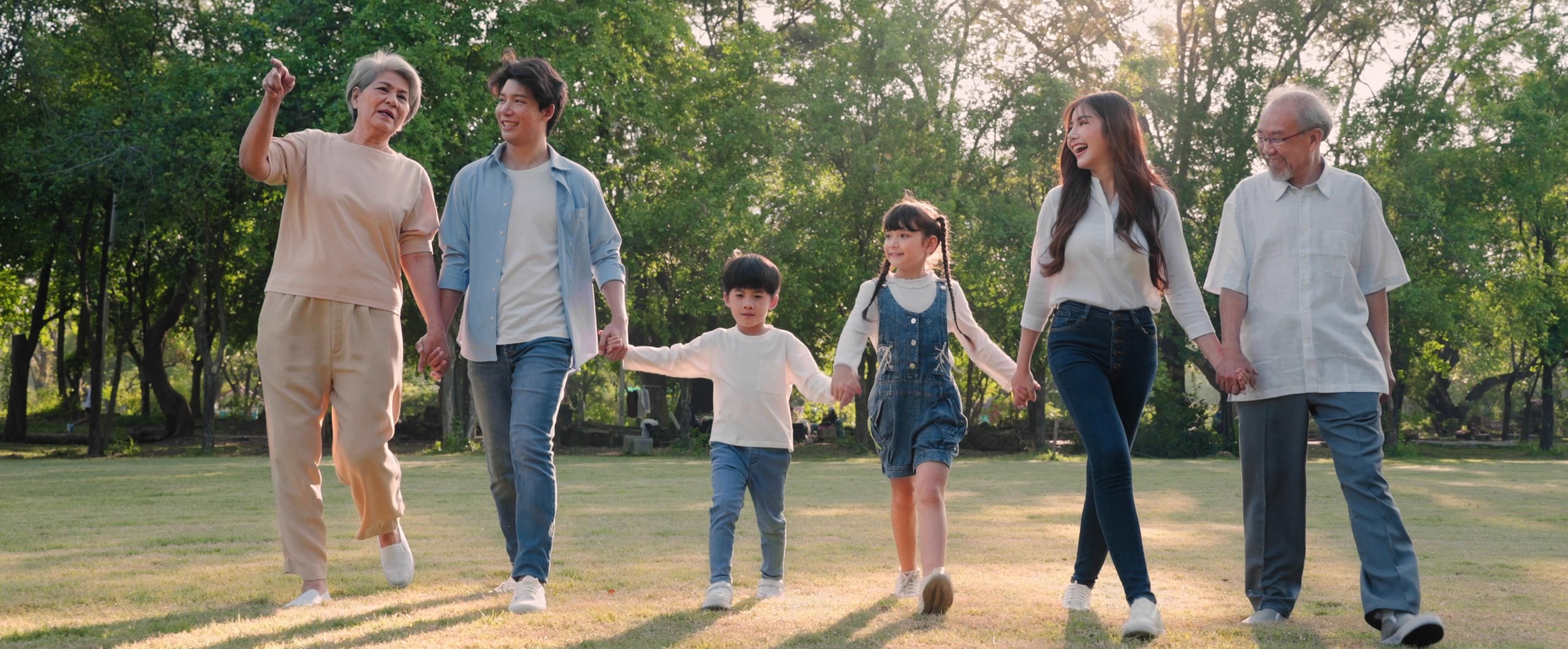
In the first phase of PartnerRe’s APAC Ageing Survey, the research revealed important gaps between how consumers perceive ageing risks and their actual preparedness for later life. The second phase explored the human realities behind those findings through in-depth interviews with MDRT-qualified advisers across eight Asia-Pacific markets.
What emerged challenges conventional thinking about ageing and protection. While discussions often focus on the elderly, advisers consistently pointed to another group facing growing pressures: caregivers. Many middle-aged adults balance careers, children and ageing parents, often with little preparation and limited support. Caregiving is becoming a near-universal life experience, shaping how people think about health, finances and protection for themselves and their families.
In this interview, Sohila Kwan, chief commercial officer for APAC at PartnerRe, discusses why caregiving deserves to be viewed as a distinct life stage and what this shift could mean for the future of insurance across the region.
Looking across the eight APAC markets in PartnerRe’s study, what was the most important insight to emerge from the adviser interviews?
One of the most striking findings was the consistency across Asia-Pacific markets. Despite differences in demographics, healthcare systems and cultural norms, advisers repeatedly described the same aspiration among elderly individuals and their families: independence.
What surprised us was that both sides were striving for the same outcome, albeit from different perspectives. Elderly individuals want to maintain their dignity, autonomy and financial independence for as long as possible. They do not want to become a burden on their children. Many expressed a preference for professional support where appropriate, while preserving meaningful family relationships.
Caregivers, meanwhile, share the same objective. They want their parents to be safe, comfortable and well supported, while preserving the ability to focus on meaningful relationships rather than the practical demands and day-to-day logistics of care. Ultimately, they want to spend more time being a son, daughter or partner, and less time managing the complexities of care.
This led us to a phrase that surfaced repeatedly throughout the interviews: “independence with connection”. Ageing is not simply about extending life expectancy. It is about enabling older adults to maintain their independence while allowing families to remain families. The aspiration is a balance between autonomy and connection, regardless of geography or culture.
The research uncovered both common themes and regional differences. What does caregiving look like across APAC?
For many people across APAC, caregiving is already becoming part of their everyday reality. Advisers described clients balancing careers, children and ageing parents simultaneously, often with little preparation and limited support.
This reflects what we saw in the first phase of the research, where more than two-thirds of caregivers were also supporting children or other dependants, highlighting how common the sandwich generation has become across the region. Ageing populations and smaller family networks also mean fewer family members are available to share caregiving responsibilities, increasing the emotional, practical and financial pressure on individual caregivers.
While the trend is remarkably consistent, advisers identified several market-specific nuances in how caregiving is experienced. Across the interviews, advisers consistently highlighted the strong sense of filial duty across APAC and described the caregiver burden as multi-dimensional, with different aspects becoming more prominent in different markets.
In South Korea, advisers noted that the use of professional care services can sometimes bring feelings of guilt, as caregiving continues to be viewed primarily as a family duty.
In Singapore and Hong Kong, advisers frequently highlighted the logistical demands of caregiving, including coordinating healthcare appointments, navigating care options and balancing these responsibilities alongside busy careers and family commitments.
Japan presents a slightly different picture. As a more mature ageing market, awareness of longevity and care-related issues is generally higher. Yet caregiving is still rarely planned for. It often begins when parents become more dependent or following a major health event such as stroke or dementia.
Despite these differences, advisers across markets pointed to the same trend: caregiving is becoming a shared life experience rather than an exceptional one. For many people, ageing first becomes real through caring for ageing loved ones, well before they experience it themselves through their own later years.
One of the strongest messages from the research is that caregiving should be viewed as a life stage rather than a burden. What do you mean by that?
The insurance industry has tended to view customers through one of two lenses: healthy adults purchasing protection or older adults requiring support. What is often overlooked is the period in between, when people begin taking responsibility for ageing parents.
To me, this is the missing life stage for individuals as carers and as we age.
More than half of respondents in our study were already caregivers, while 68% of non-caregivers expected to take on caregiving responsibilities in the future. It is something many people will experience.
Caregiving rarely begins overnight. It often develops gradually as family responsibilities evolve over time. What starts as occasional practical support can gradually become a much larger responsibility as needs change over time.
At the same time, there are often turning points that accelerate the journey. A fall, stroke, dementia diagnosis or hospitalisation can suddenly bring new realities into focus. Families may find themselves making decisions about treatment, rehabilitation, care arrangements and, increasingly, how these needs will be managed and funded over time.
What previously felt like a distant future issue becomes immediate and personal. People begin thinking differently about healthcare costs, longevity, financial security and future care needs, both for their parents and for themselves.
That’s why I believe caregiving should be viewed as a life stage: a shift that reframes it from a perceived burden into something that people can plan and approach proactively. In many ways, it acts as a bridge between caring for others today and preparing for our own ageing journey tomorrow.
What are families struggling with most today, and where are the biggest gaps in support?
The biggest challenge is not always the absence of support, but the complexity of finding and navigating it.
Healthcare services, community resources and public support programmes may be available, yet families still feel overwhelmed.
Caregiving increasingly requires people to make decisions across healthcare, finances, legal matters and family responsibilities, often at a time of emotional stress and uncertainty. Many describe the experience as having to navigate an unfamiliar system without a guide.
This is why the conversation around ageing needs to evolve. The need is no longer solely financial. People also need support that helps them understand their options, make informed decisions and navigate increasingly complex care journeys with confidence.
Have we become too focused on the elderly and overlooked the caregiver? What does this mean for insurers and reinsurers?
The industry has traditionally focused on life and health outcomes of an individual such as a diagnosis of dementia, disability or hospitalisation. Individual outcome-based protection remains important. However, there is an opportunity to broaden our lens from specific endpoints to the full journey of ageing (or indeed life itself) and how people and families move through it.
In many households, adult children are helping to coordinate healthcare, manage finances and make decisions on behalf of ageing parents. The ageing customer therefore includes not only the person receiving care but also the family members navigating those responsibilities and providing support.
This presents an opportunity for insurers and reinsurers to engage people earlier in the ageing journey, often at a stage when awareness is increasing and future planning is becoming more relevant. For many people, caregiving is the moment when questions around longevity, health, financial resilience and future care needs become real.
This may call for a different approach to product and solution design. Traditionally, many protection solutions have been developed around specific life events or defined risks. Yet ageing is increasingly a journey that unfolds over decades, with needs evolving along the way. This may create opportunities for more flexible solutions that help people prepare earlier and adapt as circumstances change, whether they are taking on caregiving responsibilities, managing a major health event, planning for future care needs or preparing for retirement.
Financial protection will always remain fundamental. However, as longevity increases and caregiving becomes more common, there may be growing demand for solutions that combine protection with preventative health, customer education, earlier planning for future care needs and support services that help people maintain independence for longer. Ultimately, the opportunity is not simply to serve an ageing population, but to support people throughout the ageing journey. For insurers and reinsurers, that means thinking about how risks and needs people face change across different stages of life and how solutions can evolve with them.
About the research
This interview highlights selected findings from phase two of PartnerRe’s APAC Ageing Survey, conducted in partnership with Kantar. The broader research explores ageing, caregiving and protection across eight Asia-Pacific markets: Australia, Hong Kong, Japan, South Korea, New Zealand, Singapore, Taiwan and Thailand. A detailed written report exploring the full findings and implications for the insurance industry will be published separately. For more information about the research, please contact PartnerRe at [email protected]
 |
Sohila Kwan
Chief Commercial Officer, Life & Health APAC PartnerRe |
|
|
-
Beazley | Navigating geopolitical risks at sea
Maritime shipping faces growing geopolitical threats—missiles, drones, GPS interference, and cyber sabotage—requiring better intelligence, crew welfare, and resilience measures.
-
Zurich | Why resilience will define the winners of Asia’s clean energy transition
Planning for future conditions from the outset can improve operational reliability, reduce potential disruption and protect long-term asset value.
-
Sedgwick | Captives in Asia: From Niche Solution to Strategic Risk Platform
Captive insurance has evolved from niche tool to strategic risk infrastructure in Asia, with connected claims data seen as key to unlocking its full value.
-
BlackRock | Rethink the rules: how TAA and ETFs are reshaping portfolio construction
BlackRock's Daniel Caderas and MSCI's Raman Aylur Subramanian explain why tactical asset allocation (TAA) and exchange-traded funds (ETF) have become essential as global markets fragment and static allocations lose their reliability.