
P&I insurers to quit war risk cover for Russia and Ukraine from January 1
December 29 2022 by Kristina Shperlik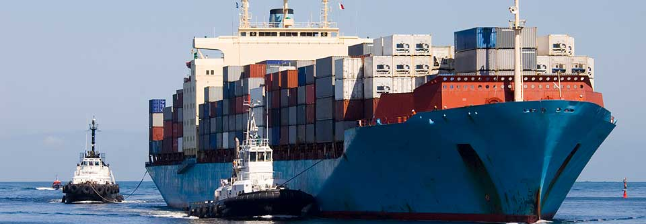
-
Aon, EBRD expand Ukraine war-risk facility to US$168m as MS Amlin adds capacity
- October 13
Lloyd's carrier, the scheme’s first reinsurer when it launched in March 2025, has lifted its support to US$145m, while two more Ukrainian insurers join.
-
P&I club duo cancel war risk cover across Indian Ocean, Gulf of Aden, Red Sea
- August 12
Skuld and NorthStandard say vessels trading to, from, through, or within the affected waters will lose their war risk coverage from Sunday, with the cancellation applying to all fixed premium assureds.
-
Scope of war risk cover must be considered as claims expand beyond high-risk zones: London P&I Club
- April 17
Senior underwriter Ben McKeith says not enough owners are considering long-term war risk cover plans as part of their management strategy, as claims have increased in non-high risk zones, such as the Mediterranean and Black Sea.
-
Korean Re weighs coverage for shippers rerouting around war-hit Strait of Hormuz
- April 14
Some shippers are reportedly planning to send follow-up ships to offload cargo from vessels and then carry it via alternative routes.
-
Beazley | Navigating geopolitical risks at sea
Maritime shipping faces growing geopolitical threats—missiles, drones, GPS interference, and cyber sabotage—requiring better intelligence, crew welfare, and resilience measures.
-
Zurich | Why resilience will define the winners of Asia’s clean energy transition
Planning for future conditions from the outset can improve operational reliability, reduce potential disruption and protect long-term asset value.
-
Sedgwick | Captives in Asia: From Niche Solution to Strategic Risk Platform
Captive insurance has evolved from niche tool to strategic risk infrastructure in Asia, with connected claims data seen as key to unlocking its full value.
-
BlackRock | Rethink the rules: how TAA and ETFs are reshaping portfolio construction
BlackRock's Daniel Caderas and MSCI's Raman Aylur Subramanian explain why tactical asset allocation (TAA) and exchange-traded funds (ETF) have become essential as global markets fragment and static allocations lose their reliability.